 Back to News
Previous News
30 September 2026
30 September 2026
 Back to News
Previous News
In Malawi, it is often linked to less rainfall and longer dry periods. These changes can affect people’s daily lives, especially those who depend on farming as do the majority of the people in the Sitima area.
One of the biggest impacts of El Niño is on agriculture. Many Malawian farmers depend on rain to grow crops such as maize. When there is not enough rain, crops may fail to grow properly or may dry up completely. This can lead to poor harvests and food shortages.
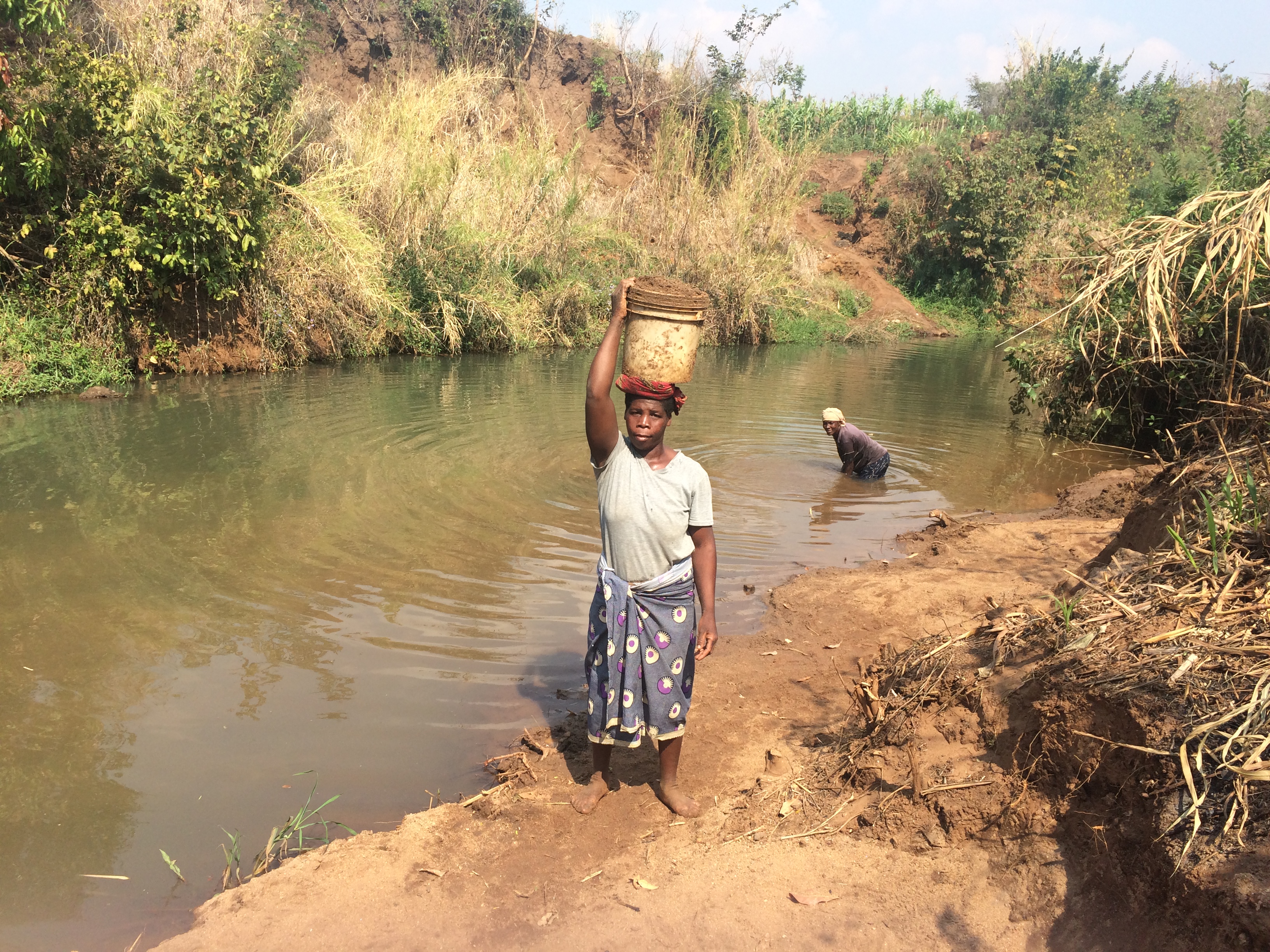
El Niño can also cause water shortages. Rivers, dams and other water sources may have lower water levels during dry periods. This can make it harder for families to get enough water for drinking, cooking and farming. Livestock can also suffer because there may be less water and food available.
Another problem is the effect on electricity and the economy. Malawi relies heavily on water for hydropower generation. When water levels fall, electricity production can be reduced, leading to power shortages. Poor harvests can also reduce farmers’ incomes and cause food prices to rise.
Overall, El Niño can make life more difficult for many people in Malawi and the people of Malawi have been advised that the rainy season starting in December 2026 and continuing until April 2027 might not be a rainy season after all and might turn out to be a drought. Not a positive outlook
N4BW is working with communities to explore ways of mitigating this expected problematic situation
 26.09.2019
Classrooms at Mitole suffered a serious battering during the storms earlier in the year.
17.09.2024
A few months ago, a generous benefactor provided Theo and End with the funding to buy a block making frame to enable them to make bespoke blocks for buildings
31.10.2019
This school, in a particularly impoverished area has been lacking toilets – but not any more. Thanks to the generosity of Irish Aid, N4BW has been able to build six new toilets on the school site.